Gallery
The house, the exhibition and the relics of the Panayot Volov House-Museum, alongside the historical images
Portraits & images
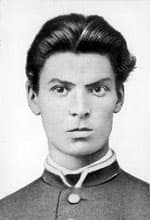
Panayot Volov - his best-known surviving photograph
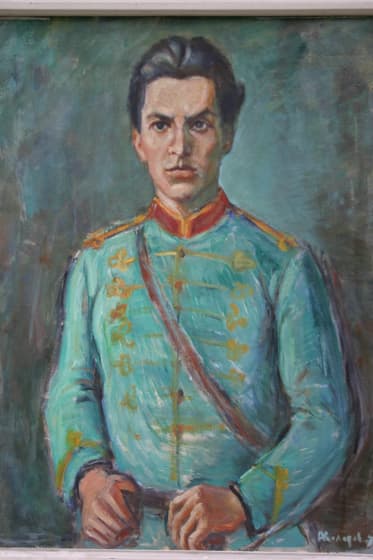
Painted portrait of Volov in insurgent uniform, on display at the museum Panayot Volov House-Museum, Shumen
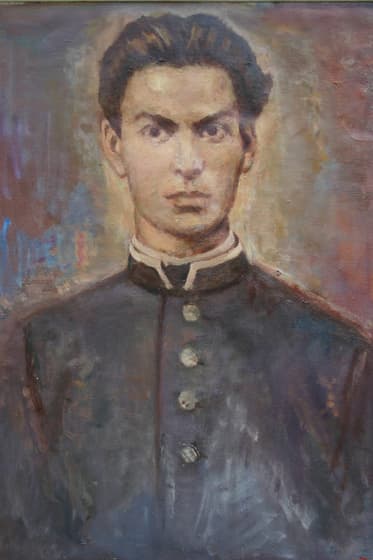
Painted portrait of the young Panayot Volov from the exhibition Panayot Volov House-Museum, Shumen
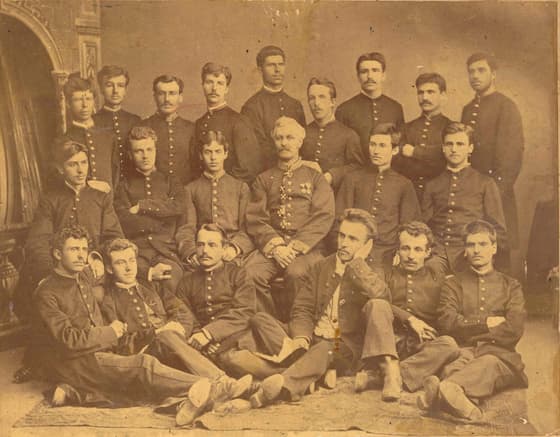
A school group photograph from the exhibition, linked to Volov’s years in Nikolaev Panayot Volov House-Museum, Shumen
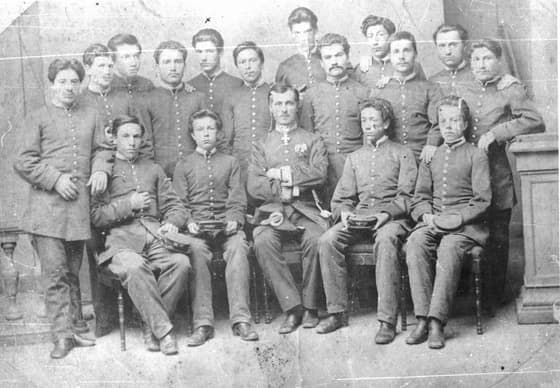
A second school photograph from the same period, kept at the museum Panayot Volov House-Museum, Shumen
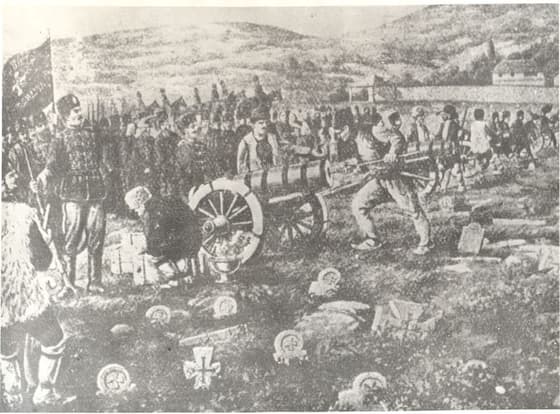
A period depiction of insurgents hauling a cherry-tree cannon during the April Uprising Panayot Volov House-Museum, Shumen
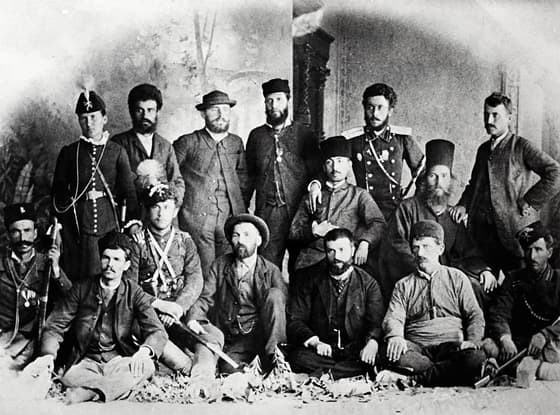
The Giurgiu Revolutionary Committee - founded on 11 November 1875
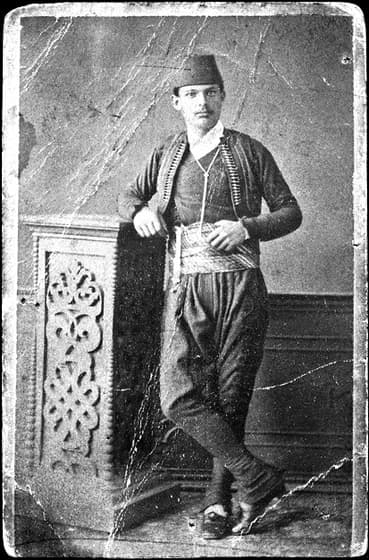
Georgi Benkovski - Volov’s comrade and chief apostle of the IV Revolutionary District
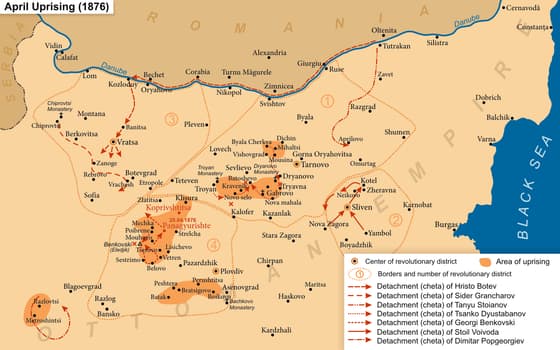
Map of the four revolutionary districts of the April Uprising
The house & the courtyard
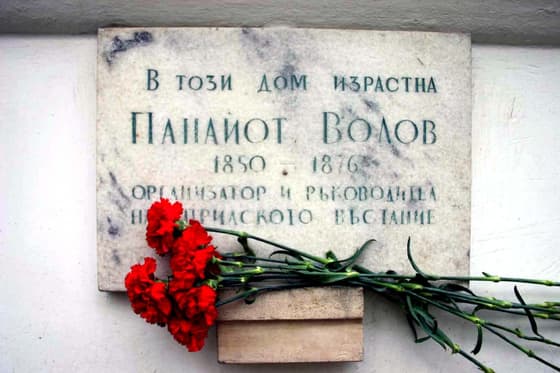
The marble plaque at the house: “In this home grew up Panayot Volov, 1850-1876, organiser and leader of the April Uprising” Panayot Volov House-Museum, Shumen
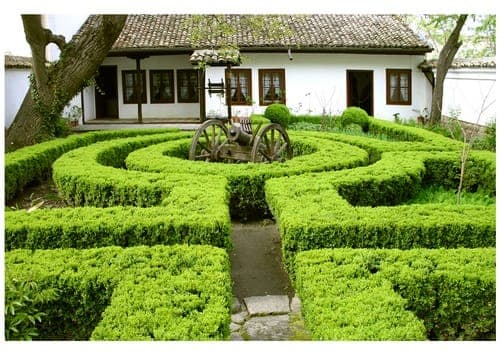
The National Revival house at the far end of the yard, in the shade of the ancient walnut Panayot Volov House-Museum, Shumen
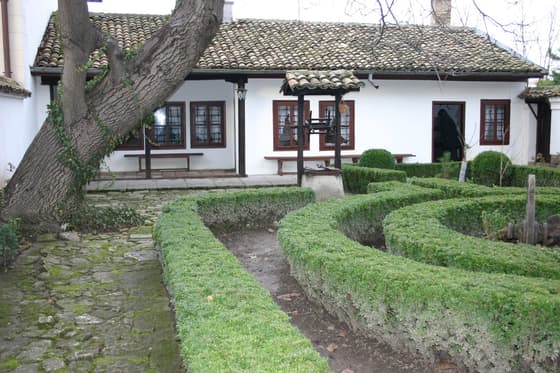
The birthplace, the ancient walnut and the boxwood parterre in winter Panayot Volov House-Museum, Shumen
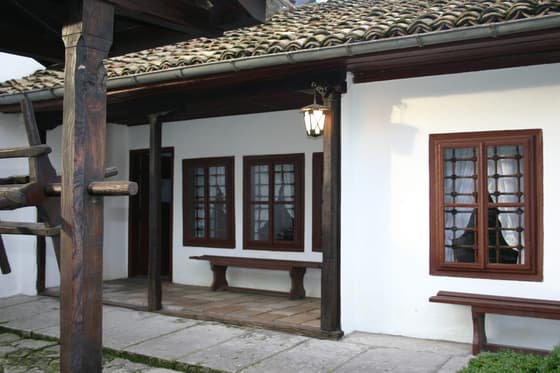
The veranda of the house - the oldest surviving building in Shumen, from the late 18th century Panayot Volov House-Museum, Shumen
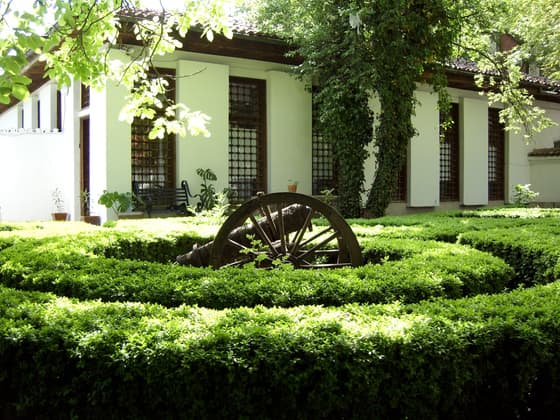
The museum courtyard in summer, with the cart wheel set among the boxwood Panayot Volov House-Museum, Shumen
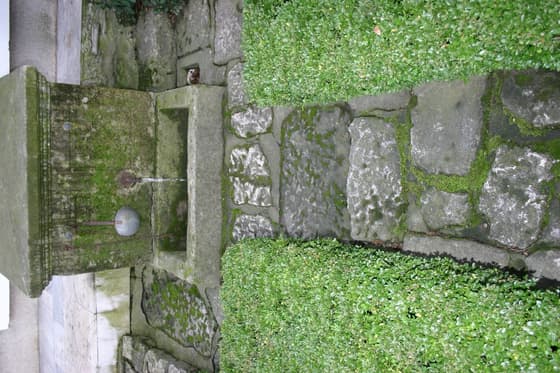
The large stone fountain, where spring water still murmurs today Panayot Volov House-Museum, Shumen
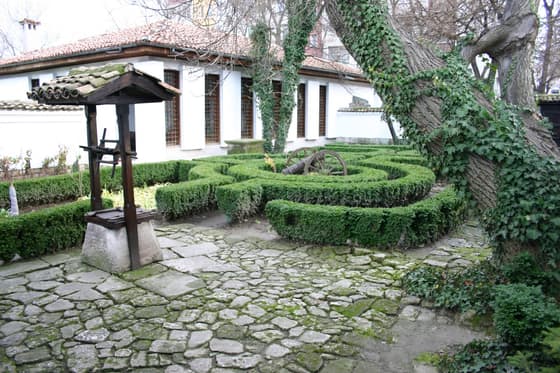
The well in front of the veranda and the ivy-clad walnut, nearly two centuries old Panayot Volov House-Museum, Shumen
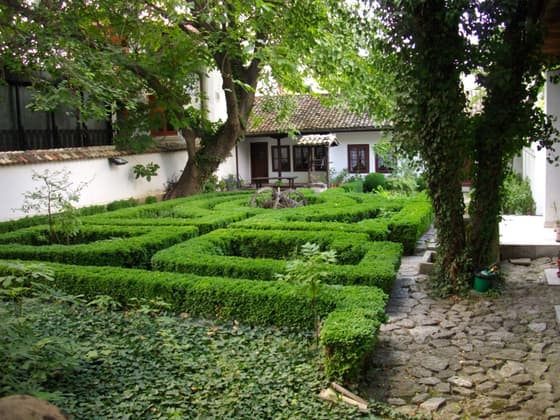
The courtyard of the house-museum in Shumen
The exhibition
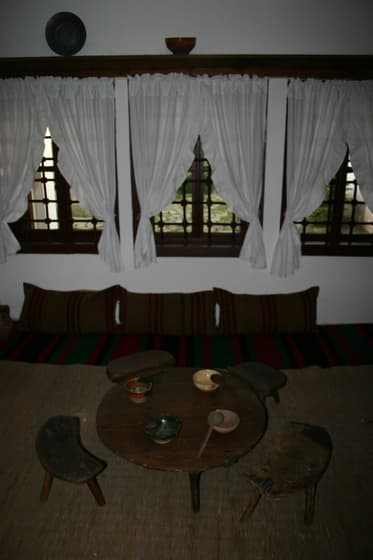
Kashti - the living room, with the low round table and its small three-legged stools Panayot Volov House-Museum, Shumen
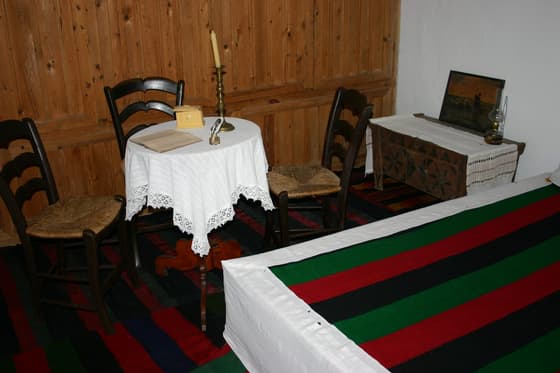
Soba - the bedroom, which also holds Volov’s working corner Panayot Volov House-Museum, Shumen
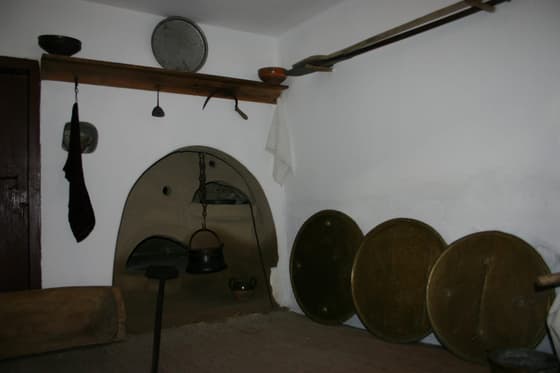
Peshti - the kitchen, with the hearth and the copper dishes Panayot Volov House-Museum, Shumen
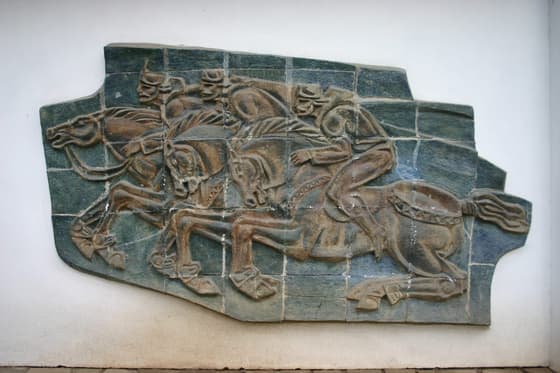
The original Apriltsi panel on the facade of the exhibition hall Panayot Volov House-Museum, Shumen
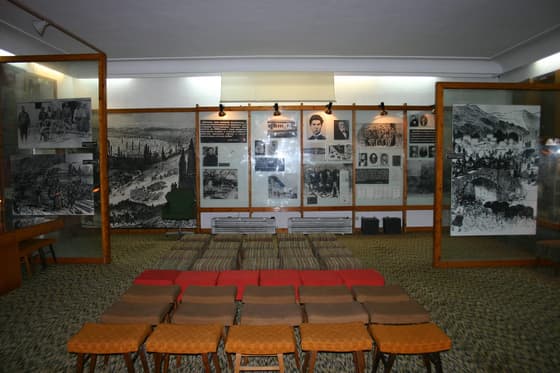
The exhibition hall, opened in 1976 for the centenary of the uprising Panayot Volov House-Museum, Shumen
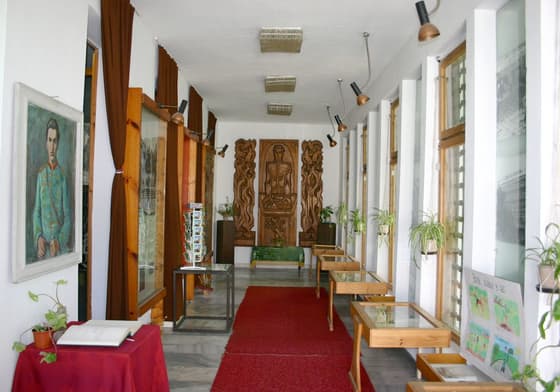
Display cases and panels in the exhibition hall Panayot Volov House-Museum, Shumen
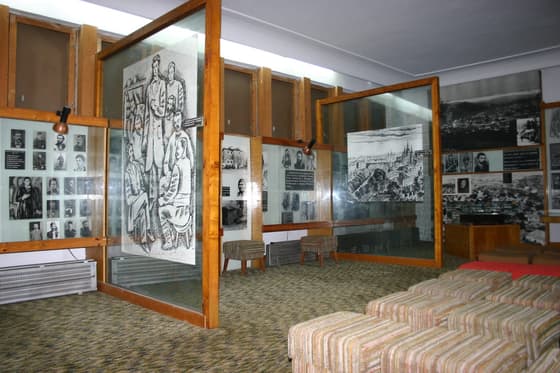
Documents and photographs from the preparation of the April Uprising Panayot Volov House-Museum, Shumen
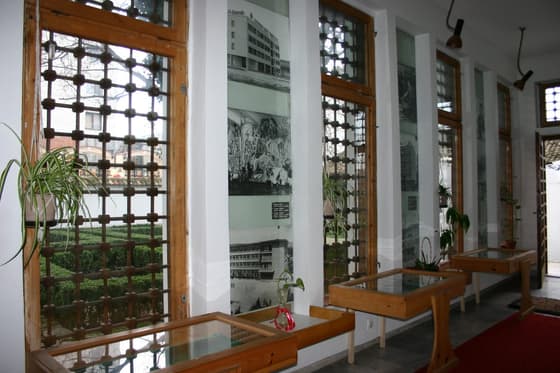
Views of the towns of the revolt and portraits of the April heroes Panayot Volov House-Museum, Shumen
Relics & documents
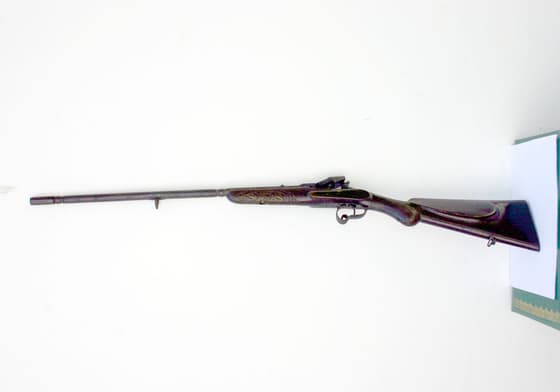
Panayot Volov’s rifle, with which he gave the signal for the uprising on 20 April 1876 Panayot Volov House-Museum, Shumen
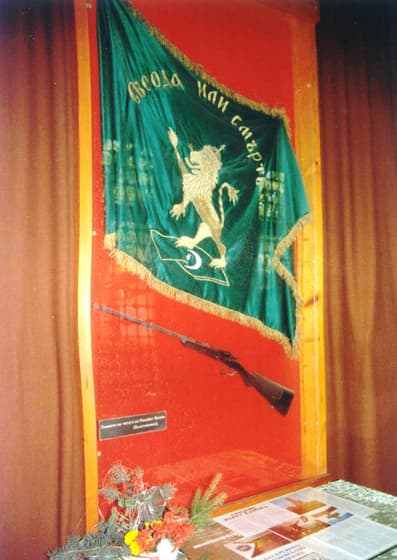
The flag of Volov’s detachment (a reconstruction) bearing the motto “Freedom or Death”, with his rifle below it Panayot Volov House-Museum, Shumen
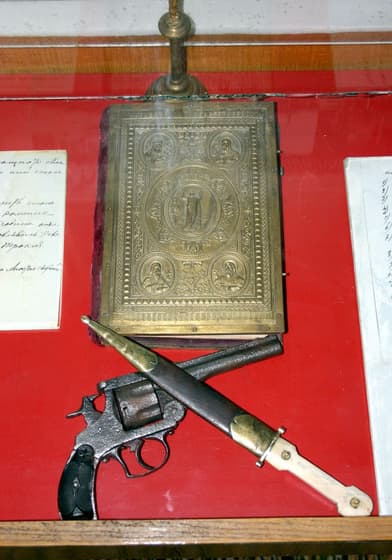
The gospel, the revolver and the dagger on which the insurgents swore the revolutionary oath Panayot Volov House-Museum, Shumen
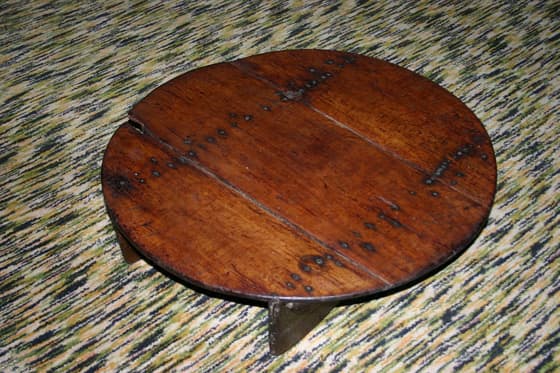
The old low table in the exhibition - according to the museum, the table of Gani Madzharetsa of Karlovo, used by Volov and earlier by Vasil Levski Panayot Volov House-Museum, Shumen
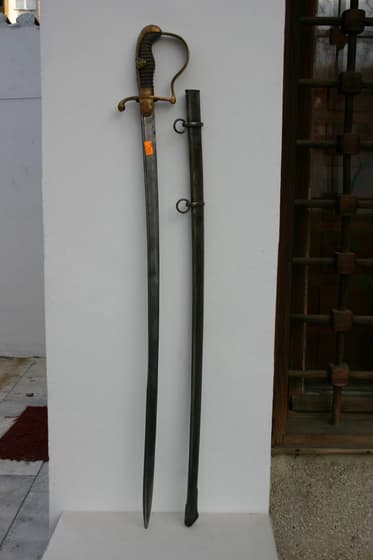
Sabres from the insurgents’ armament, shown in the exhibition Panayot Volov House-Museum, Shumen
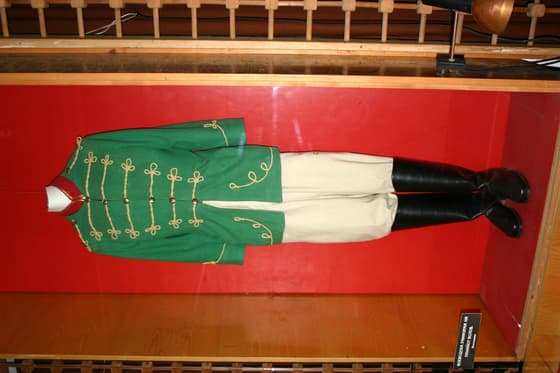
An insurgent uniform in a case in the exhibition hall Panayot Volov House-Museum, Shumen
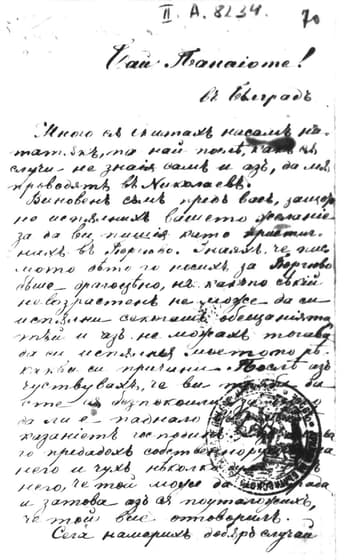
A letter to Volov in Bolgrad mentioning his forthcoming departure for Nikolaev (archive fond P.A. 8234) Panayot Volov House-Museum, Shumen
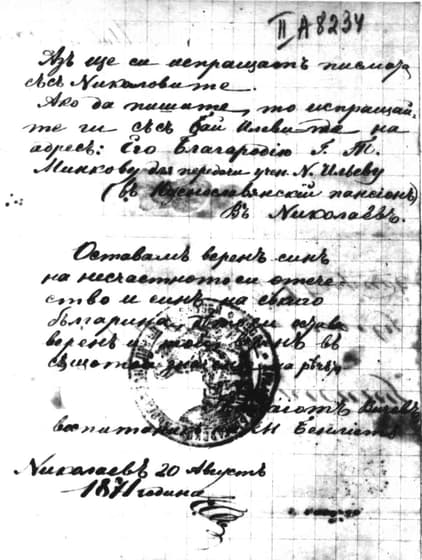
A letter written from Nikolaev on 20 August 1871, giving the address of the South Slavic boarding school Panayot Volov House-Museum, Shumen
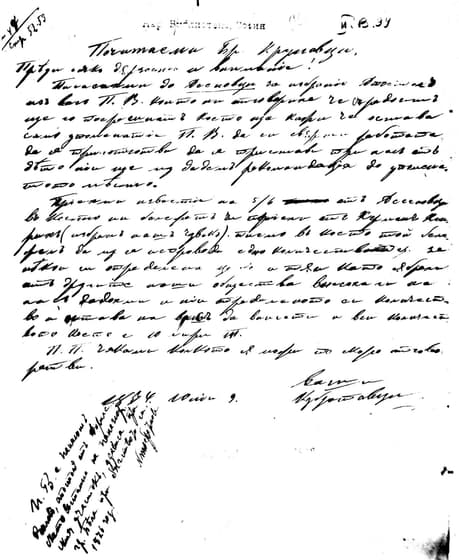
A letter from the Ruse Kubratovtsi to the Shumen Krumovtsi, 9 June 1874, discussing the elected apostle “P. V.” - Panayot Volov Panayot Volov House-Museum, Shumen
Life at the museum
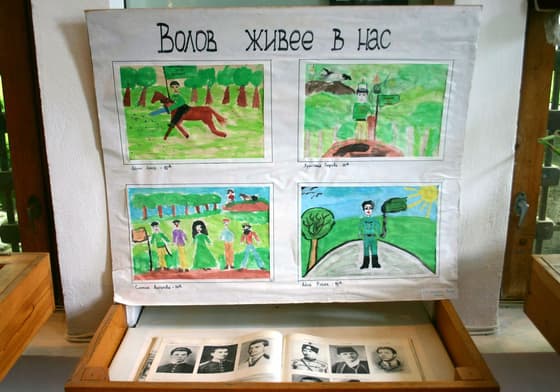
The children’s exhibition “Volov lives in us” at the museum Panayot Volov House-Museum, Shumen
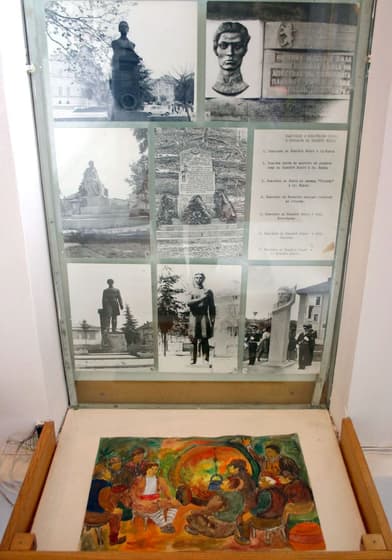
A display case of documents with a child’s drawing beneath it Panayot Volov House-Museum, Shumen
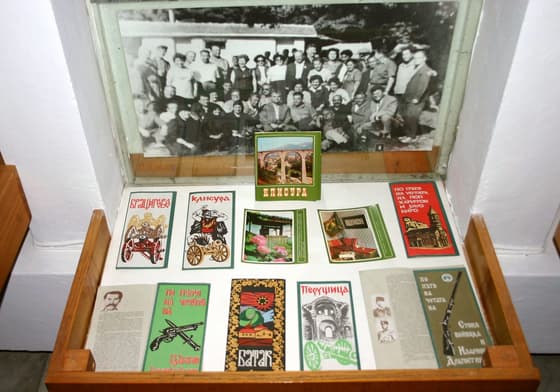
National Revival books and editions from the museum’s collection Panayot Volov House-Museum, Shumen
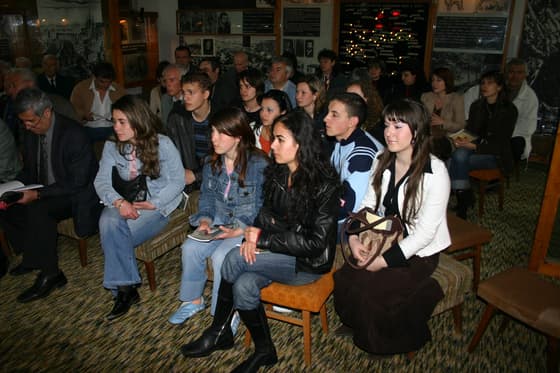
Pupils at a commemoration in the courtyard of the house-museum Panayot Volov House-Museum, Shumen
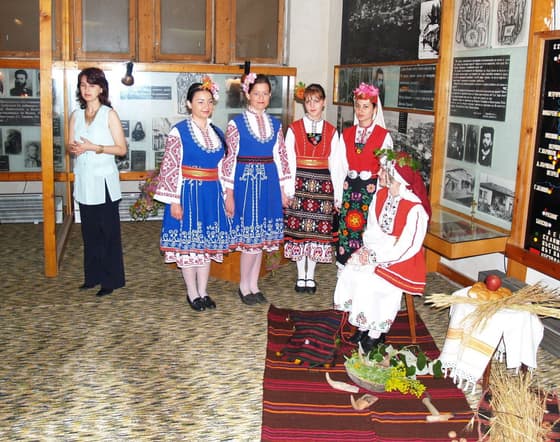
The workshop on the Shumen folk costume, in the exhibition hall Panayot Volov House-Museum, Shumen
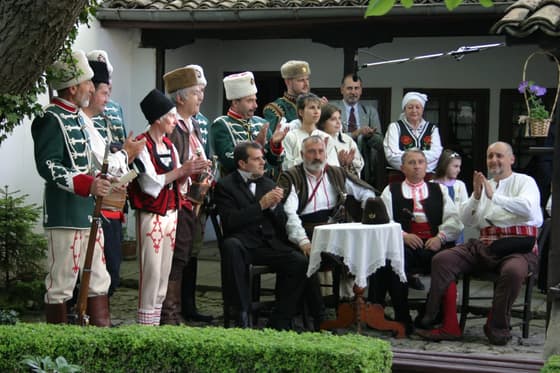
A re-enactment of a committee meeting in the museum courtyard Panayot Volov House-Museum, Shumen
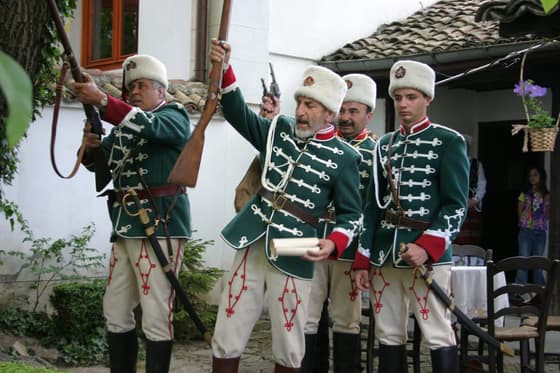
Members of the Traditsiya club in insurgent uniform during a commemoration Panayot Volov House-Museum, Shumen
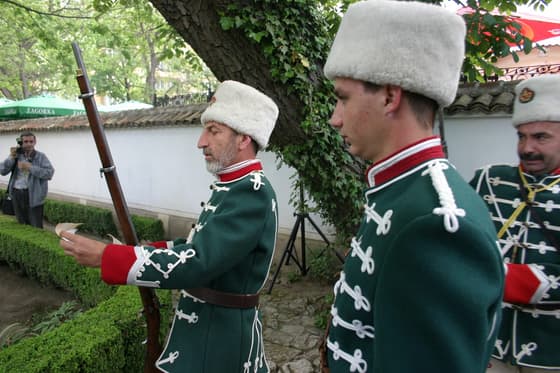
A re-enactment in the shade of the ancient walnut Panayot Volov House-Museum, Shumen
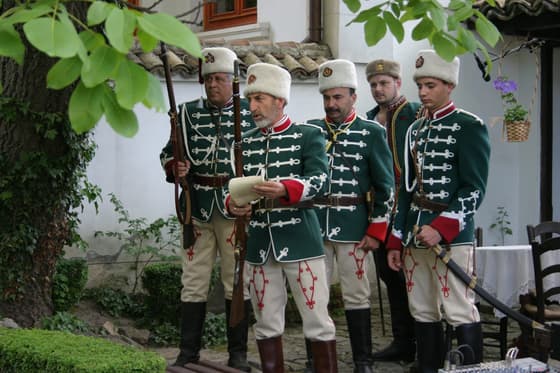
An insurgent re-enactment in front of the National Revival house Panayot Volov House-Museum, Shumen
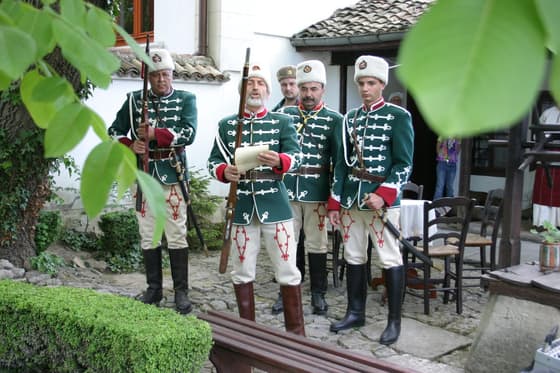
A proclamation read out before the museum’s visitors Panayot Volov House-Museum, Shumen
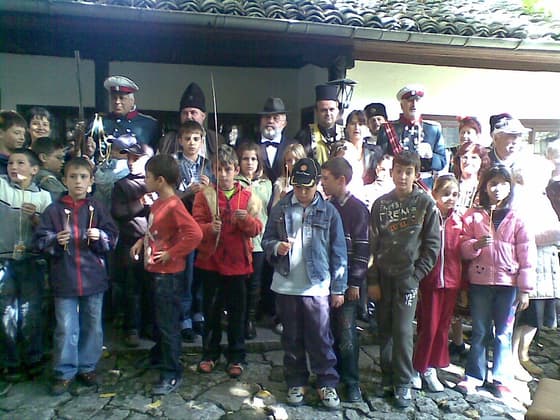
Schoolchildren from Shumen at a lesson in patriotism in the courtyard Panayot Volov House-Museum, Shumen
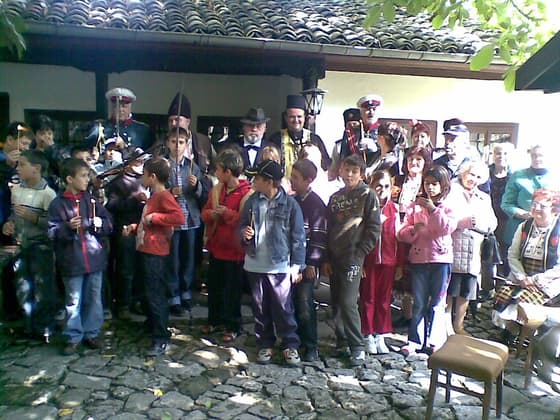
Children in the museum courtyard during a commemoration Panayot Volov House-Museum, Shumen
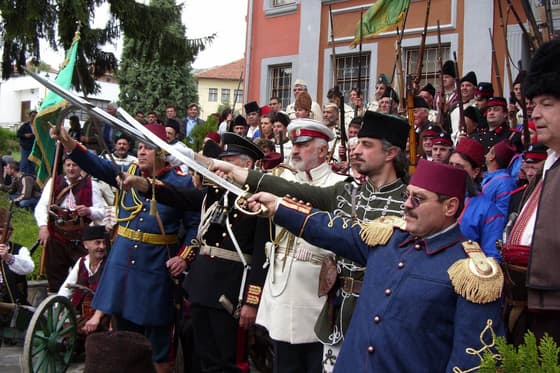
A commemorative procession in Shumen in which the museum takes part Panayot Volov House-Museum, Shumen
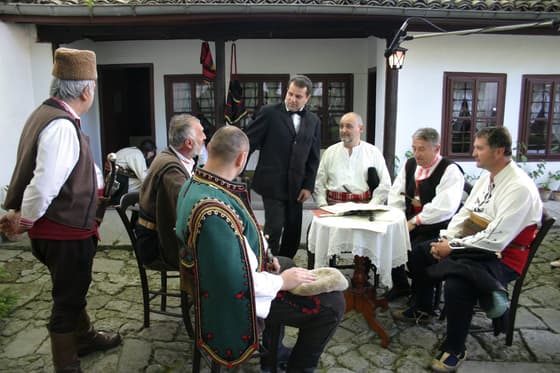
A scene from a re-enactment in the courtyard of the house-museum Panayot Volov House-Museum, Shumen
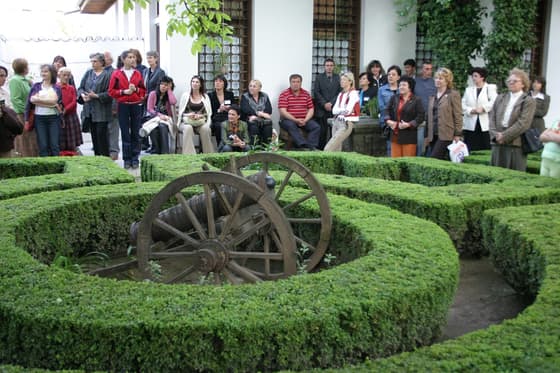
Visitors in the courtyard around the boxwood parterre Panayot Volov House-Museum, Shumen
Places of memory
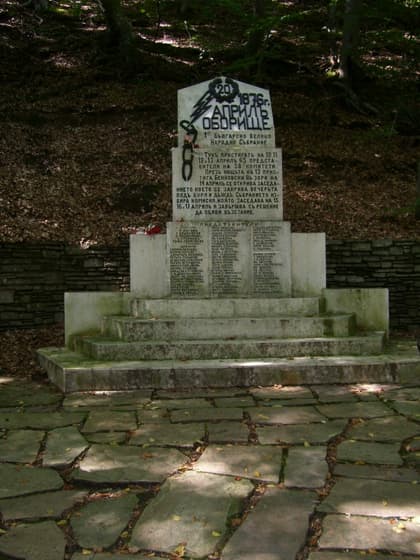
The monument at Oborishte, where the assembly met on 14 April 1876. The names of the apostles, headed by P. Volov, are carved in the stone.
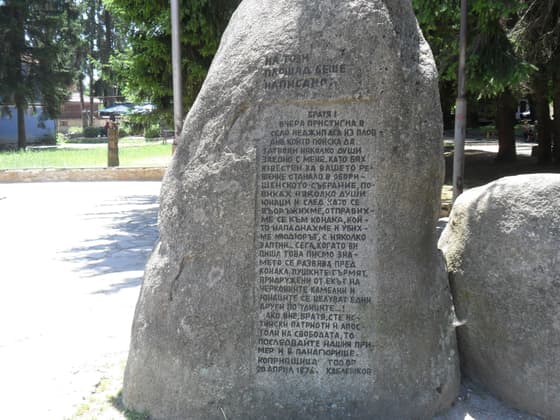
The memorial stone in Koprivshtitsa carved with the text of Todor Kableshkov’s Bloody Letter of 20 April 1876
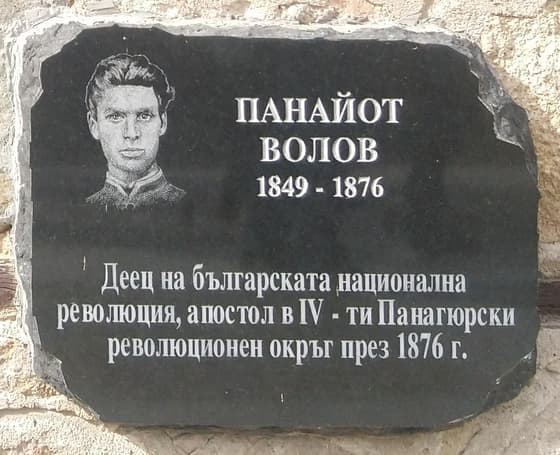
Memorial plaque to Panayot Volov in Panagyurishte

Panayot Volov Stadium in Shumen
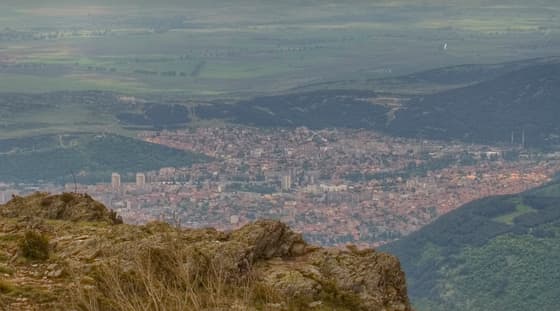
Sliven - centre of the II Revolutionary District in 1876
The photographs of the house, the exhibition and the museum’s events are published from the site of the Panayot Volov House-Museum in Shumen, a site of the Regional Historical Museum - Shumen.